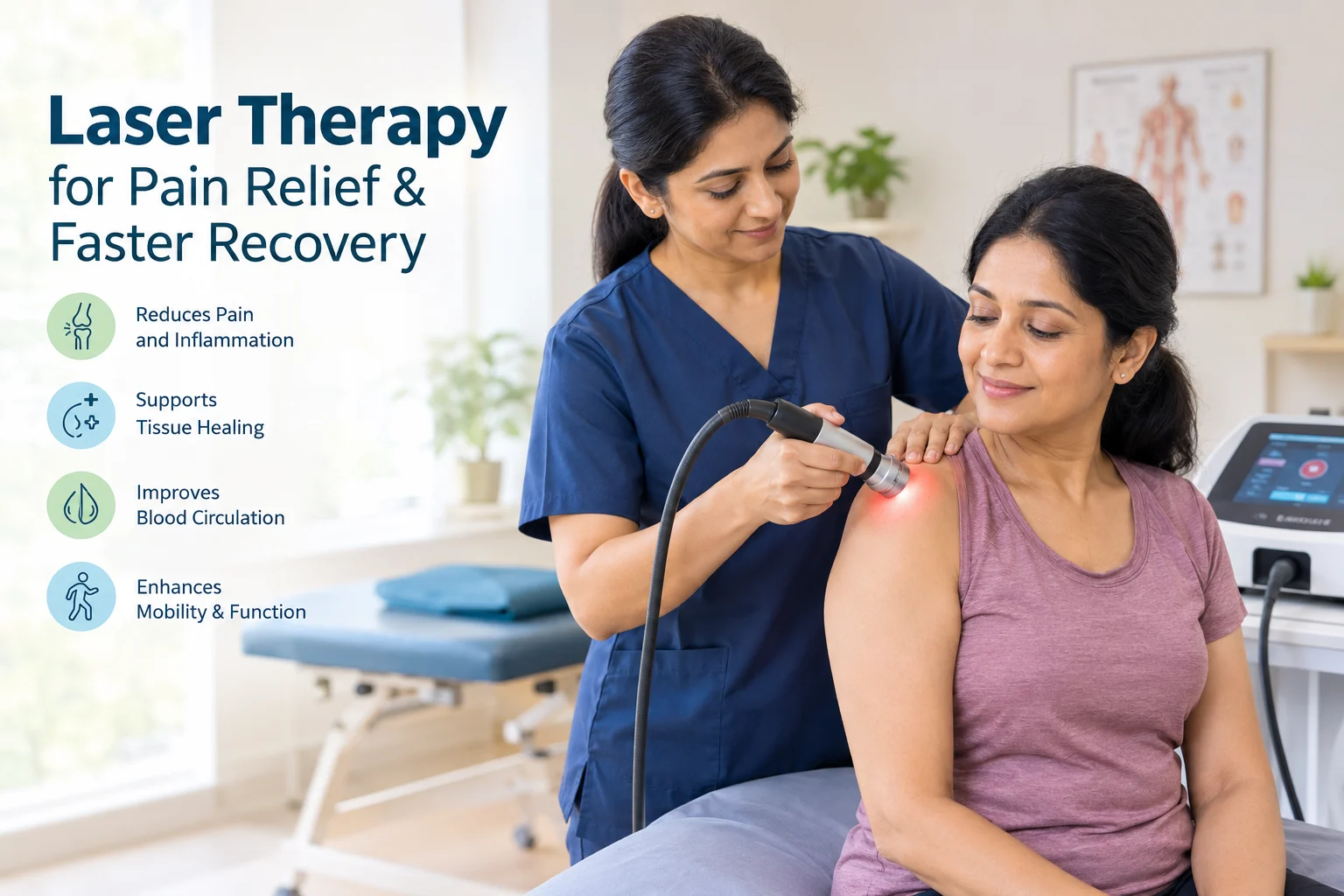
Introduction – Laser Therapy
Living with persistent pain can significantly affect your quality of life. Whether it is chronic back pain, stiff joints, muscle soreness, or a sports injury, discomfort can make even simple daily activities challenging. While conventional treatments such as medication, rest, and exercise play an important role in pain management, modern physiotherapy offers additional treatment options that may help patients recover more comfortably.
One such advancement is Laser Therapy in Physiotherapy, a non-invasive treatment that uses specific wavelengths of light to support pain relief, reduce inflammation, and promote tissue recovery.
Laser therapy is increasingly used in physiotherapy clinics to manage various musculoskeletal conditions, including arthritis, tendon injuries, neck pain, lower back pain, and sports-related injuries. Depending on the patient’s condition, it may be incorporated into a comprehensive rehabilitation programme alongside therapeutic exercises, manual therapy, and other physiotherapy techniques.
Unlike surgical lasers, therapeutic lasers are designed to deliver controlled light energy without cutting or damaging tissues. The treatment is generally painless, requires no incisions, and allows patients to resume their regular activities shortly after a session.
In this blog, we will explore what laser therapy is, how it works, its benefits, the conditions it may help manage, the treatment procedure, and important precautions to consider before starting therapy.
What Is Laser Therapy?
Laser therapy, also known as Low-Level Laser Therapy (LLLT), Cold Laser Therapy, or Photobiomodulation (PBM), is a therapeutic technique that uses specific wavelengths of light to stimulate biological responses within the body’s tissues.
The term “laser” stands for Light Amplification by Stimulated Emission of Radiation. In physiotherapy, therapeutic laser devices deliver controlled light energy to targeted areas of the body to support the body’s natural healing processes.
Unlike high-powered lasers used in surgical procedures, cold laser therapy operates at a lower intensity and does not rely on heat to achieve its therapeutic effects.
There are two commonly discussed categories of therapeutic laser treatment:
1. Low-Level Laser Therapy (LLLT)
Low-level laser therapy uses lower-intensity light energy to target superficial tissues and support pain management. It is commonly incorporated into rehabilitation programmes for muscle discomfort, joint pain, and certain soft-tissue injuries.
2. High-Intensity Laser Therapy (HILT)
High-intensity laser therapy delivers greater light energy and is designed to reach deeper tissues. Physiotherapists may use it for selected musculoskeletal conditions involving deeper structures, depending on the treatment protocol and the patient’s clinical assessment.
The choice between these approaches depends on factors such as the affected body part, depth of the target tissue, nature of the injury, and individual treatment goals.
How Does Laser Therapy Work?
Laser therapy works through a process known as photobiomodulation, in which light energy interacts with biological tissues and influences cellular activity.
When specific wavelengths of light penetrate the skin, they may interact with cellular components, particularly within the mitochondria, which are responsible for producing energy in cells.
This interaction may influence the production of adenosine triphosphate (ATP), a molecule that provides energy for cellular functions. Increased cellular activity may support tissue repair and recovery.
The therapeutic effects of laser therapy may include the following:
1. Supports Cellular Energy Production
Laser light may stimulate cellular processes involved in energy production, helping tissues perform essential functions associated with recovery and repair.
2. Helps Manage Inflammation
Inflammation is a natural response to injury, but excessive or prolonged inflammation can contribute to pain, stiffness, and swelling. Photobiomodulation may influence inflammatory pathways and support the management of these symptoms.
3. Promotes Local Blood Circulation
Laser therapy may influence local microcirculation, helping support the delivery of oxygen and nutrients to affected tissues.
4. Modulates Pain Signals
Certain wavelengths of light may influence pain-related processes in the nervous system, potentially reducing discomfort and improving a patient’s ability to participate in rehabilitation.
5. Supports Tissue Repair
By influencing cellular activity and biological responses, laser therapy may contribute to the repair of selected soft tissues, including muscles, tendons, and ligaments.
It is important to understand that these mechanisms are still being investigated, and treatment outcomes can vary depending on the condition, device settings, and individual patient characteristics.
Conditions That May Benefit from Laser Therapy
Laser therapy is used as an adjunct treatment in several musculoskeletal conditions. It is not a universal solution, and its effectiveness depends on the diagnosis, severity of symptoms, and overall treatment plan.
Some conditions for which physiotherapists may consider laser therapy include:
1. Knee Pain and Osteoarthritis
Knee osteoarthritis is a degenerative joint condition that can cause pain, stiffness, swelling, and reduced mobility. These symptoms may make walking, climbing stairs, and standing for extended periods difficult.
Laser therapy may help manage pain and inflammation in selected patients with knee osteoarthritis. When combined with strengthening exercises, mobility training, and weight management, it may form part of a broader rehabilitation strategy.
2. Lower Back Pain
Lower back pain can result from muscle strain, poor posture, prolonged sitting, or other spinal and musculoskeletal conditions.
Laser therapy may be considered to help manage pain and support rehabilitation in selected cases. It is particularly important to identify the underlying cause of back pain before beginning treatment, as not all spinal conditions respond to the same interventions.
3. Neck Pain and Cervical Stiffness
Neck pain and stiffness are frequently associated with prolonged screen use, poor posture, muscle tension, and certain cervical spine conditions.
Laser therapy may help reduce discomfort in selected patients and support their participation in neck mobility exercises, postural correction, and strengthening programmes.
4. Frozen Shoulder
Frozen shoulder, also known as adhesive capsulitis, causes pain and progressive stiffness in the shoulder joint. It can interfere with activities such as dressing, reaching overhead, and sleeping comfortably.
Laser therapy may be used as a supportive intervention for pain management. However, restoring shoulder movement requires a structured rehabilitation programme involving appropriate mobility exercises and gradual strengthening.
5. Tendon Injuries and Tendinitis
Tendons connect muscles to bones and can become painful due to repetitive strain, overuse, or injury.
Conditions such as tennis elbow, Achilles tendinopathy, and other tendon-related problems may be considered for laser therapy as part of a comprehensive treatment plan.
Progressive loading exercises and activity modification remain important components of tendon rehabilitation.
6. Sports Injuries
Athletes and physically active individuals may experience muscle strains, ligament injuries, and other soft-tissue problems.
Laser therapy may be incorporated into sports rehabilitation to help manage pain and support recovery. The treatment approach should be based on the type of injury, stage of healing, and the athlete’s functional requirements.
7. Plantar Fasciitis
Plantar fasciitis is a common cause of heel pain, particularly during the first steps in the morning or after prolonged periods of rest.
Laser therapy may be considered to help manage symptoms in selected cases. Calf stretching, foot strengthening, appropriate footwear, and load management are also important for long-term improvement.
8. Post-Surgical Rehabilitation
Following certain surgical procedures, patients may experience pain, swelling, and restricted movement.
When appropriate and cleared by the treating medical professional, laser therapy may be used as an adjunct to rehabilitation to support symptom management and functional recovery.
Important: Laser therapy is not a replacement for medical diagnosis, prescribed medication, surgery when necessary, or a structured physiotherapy programme. Evidence for its effectiveness varies across conditions, and some applications require further research.
Major Benefits of Laser Therapy in Physiotherapy
Laser therapy offers several potential advantages when used appropriately under professional supervision.
1. Non-Invasive Treatment
Laser therapy does not require incisions, injections, or surgical intervention. It delivers therapeutic light energy externally, making it a non-invasive option for selected musculoskeletal conditions.
2. Generally Painless Procedure
Most patients experience little to no discomfort during treatment. Depending on the device and settings, they may feel only the gentle contact of the applicator against the skin.
3. May Help Reduce Pain
Laser therapy may help modulate pain-related processes and provide symptom relief in certain conditions. This can make it easier for patients to participate in exercises and other rehabilitation activities.
4. Supports Inflammation Management
By influencing inflammatory responses, laser therapy may help manage local swelling and discomfort in selected cases.
5. May Support Tissue Recovery
Photobiomodulation may influence cellular processes involved in tissue repair. Its role in recovery depends on the condition being treated and the overall rehabilitation approach.
6. Minimal Downtime
Since the procedure is generally non-invasive, patients can usually return to their routine activities after a session, subject to their underlying condition and the advice of their physiotherapist.
7. Can Complement Other Physiotherapy Treatments
Laser therapy can be combined with therapeutic exercises, manual therapy, stretching, and strengthening programmes when clinically appropriate.
This combination allows physiotherapists to address not only pain but also the underlying functional limitations contributing to the patient’s condition.
What Happens During a Laser Therapy Session?
Laser therapy is generally a straightforward procedure performed by a trained healthcare professional.
Here is what patients can typically expect during a session:
Step 1: Initial Assessment
The physiotherapist evaluates the patient’s symptoms, medical history, affected area, movement limitations, and treatment goals.
This assessment helps determine whether laser therapy is suitable and which treatment parameters should be used.
Step 2: Preparation
The affected area is positioned comfortably and exposed to allow access to the treatment site. The physiotherapist explains the procedure and provides appropriate protective eyewear.
Step 3: Application of Laser
A handheld laser device is positioned over or moved across the targeted area, depending on the equipment and treatment protocol.
The device delivers controlled light energy to the affected tissues.
Step 4: Monitoring
The physiotherapist monitors the patient’s comfort and ensures that the treatment is being administered according to the prescribed settings.
Step 5: Post-Treatment Guidance
After the session, the physiotherapist may recommend specific exercises, activity modifications, or additional treatment techniques to support recovery.
A typical session may last approximately 5–30 minutes, depending on the treatment area, device, and clinical requirements.
Some patients may notice symptom improvement early, while others require a series of sessions. The number and frequency of treatments should be determined through individual assessment and progress monitoring.
Laser Therapy vs. Traditional Physiotherapy
Laser therapy and traditional physiotherapy are not competing treatments. They serve different purposes and can complement each other in a rehabilitation programme.
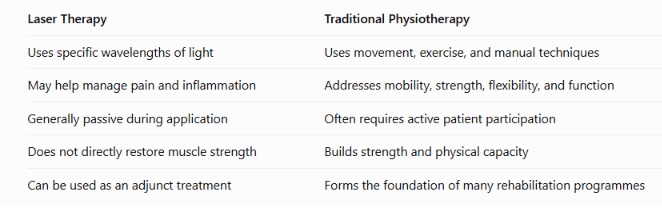
For long-term recovery, physiotherapy often focuses on improving movement patterns, strengthening supporting muscles, restoring joint function, and preventing recurrence.
Laser therapy may help manage symptoms that interfere with these activities, but it should not replace active rehabilitation when exercise is indicated.
Is Laser Therapy Safe?
Laser therapy is generally considered safe when administered by trained professionals using appropriate equipment and protocols.
However, like any therapeutic intervention, it requires careful assessment and appropriate precautions.
Important Precautions
- Eye protection: Direct exposure to laser light can damage the eyes. Appropriate protective eyewear must be used during treatment.
- Pregnancy: Laser therapy should generally be avoided directly over the abdomen or pelvic region during pregnancy unless specifically advised by an appropriate medical professional.
- Cancerous areas: Treatment directly over known or suspected malignancies should be avoided unless specifically recommended by the treating specialist.
- Photosensitivity: Patients with light-sensitive conditions or those taking photosensitising medications should inform their physiotherapist before treatment.
- Epilepsy: Certain light-based treatments may require additional precautions in patients with photosensitive epilepsy.
- Skin conditions: Any unusual skin changes, wounds, or active infections in the treatment area should be assessed before therapy.
Patients should always share their complete medical history, current medications, and any relevant diagnoses with their physiotherapist before beginning treatment.
Does Laser Therapy Have Any Side Effects?
Laser therapy is generally well tolerated, and significant side effects are uncommon when appropriate protocols are followed.
Some patients may experience temporary effects such as:
- Mild redness in the treated area.
- Temporary changes in sensation.
- Short-lived discomfort.
- A temporary increase or fluctuation in symptoms.
These effects are not experienced by everyone and may depend on the treatment settings and individual response.
Patients should inform their physiotherapist if they experience unexpected discomfort or worsening symptoms during or after treatment.
How Many Laser Therapy Sessions Are Needed?
There is no fixed number of laser therapy sessions suitable for every patient.
The treatment schedule depends on several factors, including:
- Type and severity of the condition.
- Duration of symptoms.
- Location and depth of the affected tissues.
- Patient’s overall health.
- Response to initial treatment.
- Other rehabilitation techniques being used.
Some patients may experience relief after a few sessions, while others may require a longer treatment course.
A physiotherapist should regularly reassess progress and modify the treatment plan according to the patient’s response rather than following a fixed schedule for everyone.
Is Laser Therapy a Permanent Solution for Pain?
Laser therapy may provide symptom relief and support recovery in selected conditions, but it should not be considered a guaranteed permanent cure.
Pain can arise from several underlying causes, including muscle weakness, joint degeneration, repetitive strain, poor movement patterns, and structural abnormalities.
While laser therapy may help manage certain symptoms, addressing the contributing factors is essential for sustainable improvement.
For example, patients with recurring lower back pain may benefit from a combination of core strengthening, ergonomic changes, movement training, and appropriate pain management techniques.
Similarly, individuals with knee osteoarthritis may require strengthening exercises, mobility training, and lifestyle modifications alongside any adjunct treatment.
The goal of physiotherapy is not simply to reduce pain temporarily but to improve movement, restore function, and help patients return to their daily activities with greater confidence. Contact our expert physiotherapist in Gurgaon
Lifestyle Tips to Support Recovery Alongside Laser Therapy
Patients can support their rehabilitation by adopting healthy daily habits.
1. Stay Physically Active: Gentle, appropriate movement helps maintain joint mobility and muscle function. Avoid prolonged inactivity unless medically advised.
2. Follow Your Exercise Programme: Perform prescribed stretching, strengthening, and mobility exercises consistently to support long-term recovery.
3. Maintain Proper Posture: Pay attention to sitting positions, workstation ergonomics, and body mechanics during daily activities.
4. Prioritise Sleep: Adequate sleep supports overall health and recovery.
5. Maintain a Balanced Diet: A nutritious diet containing adequate protein, vitamins, minerals, and fluids supports normal tissue maintenance and repair.
6. Avoid Overloading Injured Areas: Gradually increase activity levels and follow your physiotherapist’s advice regarding exercise intensity and rest.
7. Attend Follow-Up Assessments: Regular reviews help your physiotherapist monitor progress and make necessary adjustments to your treatment plan.
Conclusion
Laser therapy is a modern, non-invasive physiotherapy technique that uses controlled light energy to support pain management and tissue recovery. Also known as photobiomodulation, it may help manage selected musculoskeletal conditions, including joint pain, tendon injuries, neck stiffness, lower back pain, and sports-related injuries.
Its painless application, minimal downtime, and potential to complement other rehabilitation techniques make it a useful option in selected clinical settings.
However, laser therapy is not a standalone solution for every condition. Its effectiveness varies, and it is most appropriately used as part of an individualised treatment programme that addresses the underlying causes of pain and functional limitations.
If you are experiencing persistent muscle or joint pain, consult a qualified physiotherapist at aPhysiotherapy Center to determine whether laser therapy is suitable for your condition. A thorough assessment and personalised rehabilitation plan can help you make informed decisions about your treatment and recovery.
Frequently Asked Questions (FAQs) About Laser Therapy
1. Is laser therapy painful?
No, laser therapy is generally a painless procedure. Most patients experience little to no discomfort during treatment. Unlike surgical lasers, therapeutic lasers are designed to deliver controlled light energy without cutting or damaging tissues. Some patients may feel gentle contact from the device, but significant pain is not expected.
2. How long does it take for laser therapy to show results?
The time required to notice improvement varies depending on the condition, severity of symptoms, and individual response. Some patients may experience relief after a few sessions, while others may require several weeks of treatment. A physiotherapist can assess progress and recommend an appropriate treatment schedule.
3. Is laser therapy safe for everyone?
Laser therapy is generally safe when administered by trained professionals, but it is not suitable for every individual or treatment area. Special precautions are necessary for patients with certain medical conditions, photosensitivity, pregnancy, or malignancies. Protective eyewear is essential during treatment. Always consult a qualified healthcare professional before starting therapy.
4. Which conditions can be treated with laser therapy?
Laser therapy may be used as an adjunct treatment for selected conditions, including knee osteoarthritis, lower back pain, neck stiffness, frozen shoulder, tendinitis, plantar fasciitis, sports injuries, and certain post-surgical rehabilitation cases. Its effectiveness depends on the specific diagnosis, and it should be combined with other appropriate treatments when necessary.
5. Can laser therapy replace medication or physiotherapy exercises?
No, laser therapy should not automatically replace prescribed medication or therapeutic exercises. It is generally used as a complementary treatment to help manage symptoms and support rehabilitation. Exercises are essential for restoring strength, flexibility, mobility, and functional capacity. Any changes to prescribed medication should be discussed with the treating doctor.