Lower Back Pain
Physiotherapy assessment for persistent or movement-related lower back pain where cupping may be appropriate.
Gentle, physiotherapist-guided cupping therapy for selected muscle tension, myofascial and musculoskeletal pain concerns, combined with active rehabilitation where appropriate.
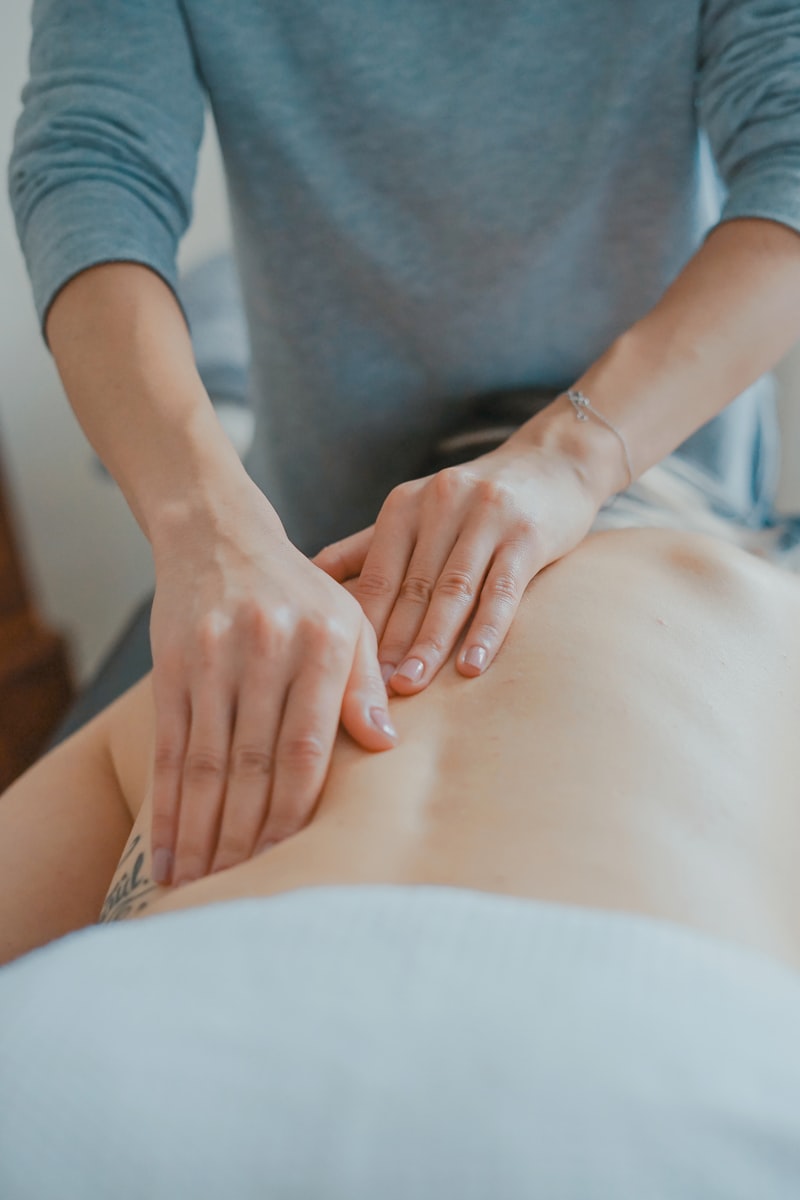
Cupping is not appropriate for every person or every skin or medical condition. A physiotherapist can assess your symptoms, medical history, skin condition and goals before recommending it.
Cupping therapy uses cups placed on the skin to create gentle suction. Dry cupping does not pierce the skin and may be considered as one component of physiotherapy for selected musculoskeletal concerns.
The treatment is individualized. Your physiotherapist considers your symptoms, movement limitations, medical history and rehabilitation goals before deciding whether cupping or suction should form part of your care.
Depending on the assessment, cupping may be combined with therapeutic exercise, mobility training, manual techniques, posture education and a home exercise programme.
Treatment parameters are selected according to the person's condition and tolerance.
A physiotherapist determines whether suction is clinically appropriate.
The wider goal is to improve comfortable movement and functional ability.
Exercises and movement training can complement the treatment when suitable.
Suitability depends on the diagnosis, symptoms, stage of recovery and clinical findings. An assessment should come before treatment.
Physiotherapy assessment for persistent or movement-related lower back pain where cupping may be appropriate.
Some pain presentations require a detailed assessment before cupping is considered; cupping is not a substitute for diagnosis or medical evaluation.
Selected neck and shoulder muscle tension may be managed with carefully dosed suction alongside appropriate physiotherapy.
Selected soft-tissue or myofascial concerns may be considered for cupping after clinical evaluation.
Muscle stiffness related to activity, posture or overuse may be assessed for an appropriate physiotherapy plan.
Cupping may be incorporated into a broader rehabilitation programme when clinically indicated.
Cups are placed on selected areas of skin to create controlled suction. The physiotherapist determines the appropriate cup placement, suction level and treatment duration based on the assessment.
The session may be followed by active rehabilitation such as mobility, strengthening, posture or functional exercises according to your individual plan.
Your symptoms, movement, strength and relevant medical history are reviewed.
The physiotherapist decides whether suction or cupping is appropriate for your case.
The cups are applied to selected areas with controlled suction according to the treatment plan.
Exercises, education and movement training may be added to address strength and function.
Cupping therapy is generally considered an adjunct to physiotherapy rather than a replacement for active rehabilitation.
For many musculoskeletal conditions, long-term management also involves improving strength, movement control, posture, activity tolerance and everyday habits.
Your programme may therefore include therapeutic exercises, manual techniques, ergonomic guidance and a home exercise plan where appropriate.
Cupping therapy is not automatically suitable for everyone with musculoskeletal symptoms. A physiotherapist should first determine whether the treatment matches the person's condition and skin/medical status.
Cupping therapy has precautions and may not be appropriate for certain medical conditions. The treatment area, skin condition, symptoms, medications and medical history should be considered before treatment begins.
If you have severe or rapidly worsening symptoms, significant weakness, new bladder or bowel changes, major trauma or another urgent concern, seek appropriate medical evaluation rather than relying on physiotherapy treatment alone.
A comprehensive physiotherapy plan may combine different techniques according to the condition and recovery goals.
Strength, flexibility, musculoskeletal stability and functional exercises tailored to your ability.
Hands-on techniques may be used when appropriate to support mobility and comfort.
Guidance to improve movement patterns, activity tolerance and everyday function.
Practical exercises and self-management guidance for appropriate ongoing rehabilitation.
Calm n Cure Physiotherapy Center focuses on understanding the person's symptoms and movement limitations before selecting treatment techniques.
Book a physiotherapy assessment in Gurgaon. Our team can review your symptoms and explain whether cupping, exercise therapy or another approach is more appropriate.
Book an AssessmentCommon questions about cupping, suitability, sessions and combining suction with physiotherapy.
Share your basic details and concern. The Calm n Cure clinic team can discuss your symptoms, assessment requirements and the next appropriate step.
Medical note: Cupping therapy is not appropriate for every person or musculoskeletal condition. It can leave temporary marks and, in some cases, may cause skin irritation, bruising, burns or infection. Treatment should be recommended and administered by a qualified physiotherapist after an appropriate assessment. Individual treatment plans and outcomes vary.