Muscle & Soft-Tissue Injuries
May be considered within rehabilitation for selected muscle strains and soft-tissue injuries when clinically suitable.
Targeted therapeutic ultrasound may be used as part of a personalized physiotherapy plan to support pain management, soft-tissue rehabilitation, mobility and functional recovery.
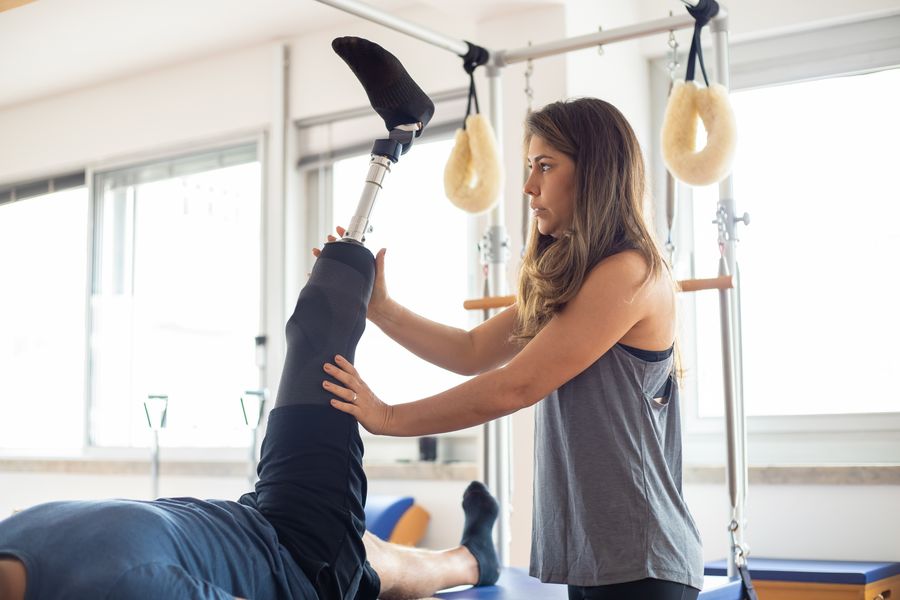
Therapeutic ultrasound uses sound-wave energy delivered through a treatment head and coupling gel. A physiotherapist first considers your condition and treatment goals before deciding whether it is suitable.
Therapeutic ultrasound is one of the physical agents that may be included in physiotherapy when clinically appropriate. It uses high-frequency sound waves to deliver energy to a targeted treatment area.
At Calm n Cure Physiotherapy Center, ultrasound is not treated as a stand-alone solution. Your physiotherapist considers your symptoms, movement limitations, medical history and rehabilitation goals before deciding whether ultrasound should form part of your care.
Where appropriate, it may be combined with therapeutic exercise, mobility work, manual techniques and movement education according to your individual needs.
Applied to an appropriate treatment area by a trained physiotherapist.
Used within rehabilitation when mobility and function are part of the treatment goal.
Treatment is selected according to the person's condition and assessment.
A physiotherapist evaluates suitability before treatment begins.
Whether ultrasound is appropriate depends on the diagnosis, stage of recovery and individual clinical findings.
May be considered within rehabilitation for selected muscle strains and soft-tissue injuries when clinically suitable.
Can be incorporated into a broader physiotherapy plan for selected joint and surrounding soft-tissue problems.
May be used as an adjunct for certain tendon-related conditions alongside exercise and load management.
May form part of rehabilitation following injury or surgery when recommended after assessment.
Therapeutic ultrasound is delivered to a selected treatment area using an ultrasound head and coupling medium. The physiotherapist controls the treatment according to the clinical objective.
The exact settings, duration and treatment area vary by person. When appropriate, ultrasound may be followed by active rehabilitation such as stretching, strengthening, mobility or functional exercises.
Your physiotherapist reviews your symptoms, movement and relevant medical history.
The therapist decides whether therapeutic ultrasound is appropriate and identifies the treatment area.
Coupling gel is applied and the ultrasound treatment head is moved over the selected area.
Where appropriate, ultrasound is combined with exercises or other physiotherapy techniques.
Ultrasound is generally used as an adjunct rather than as a replacement for active rehabilitation.
It may be selected when a treatment plan aims to manage pain and improve tolerance for movement-based rehabilitation.
When appropriate for the condition, it can be combined with mobility work designed to restore comfortable movement.
The broader goal is to help patients participate in active exercises and rehabilitation strategies that address function.
Ultrasound is not automatically appropriate for every person or every painful area. Your physiotherapist will assess your condition and decide whether it should be included in your treatment plan.
Therapeutic ultrasound has specific precautions and contraindications. It should be applied by an appropriately trained professional after considering the person's medical history and the treatment area.
For example, therapeutic ultrasound should not be applied over certain areas or conditions, including known or suspected malignancy, active deep-vein thrombosis, the eyes and selected pregnancy-related treatment areas. The exact precautions depend on the clinical situation.
A comprehensive physiotherapy plan may combine different approaches depending on the condition and recovery goals.
Strength, flexibility, mobility and functional exercises tailored to your ability.
Hands-on techniques may be used when appropriate to support mobility and comfort.
Guidance focused on improving movement patterns and everyday function.
Appropriate exercises and self-management guidance to continue rehabilitation at home.
Start with a physiotherapy assessment so your treatment can be matched to your condition, symptoms and rehabilitation goals.
Learn more about the treatment, suitability, sessions and how ultrasound may fit into a wider physiotherapy plan.
Share your basic details and concern. The Calm n Cure clinic team can discuss your symptoms, assessment requirements and suitable treatment options.
Medical note: Therapeutic ultrasound is not appropriate for every condition. Treatment should be recommended and administered by a qualified physiotherapist after an appropriate assessment. Individual treatment plans and results vary.