Plantar Fasciitis & Heel Pain
Orthotics may help reduce strain on the sole of the foot and heel, usually alongside stretching and strengthening.
Physiotherapist-guided custom orthotics for heel pain, flat feet, high arches and foot or knee strain, designed from a detailed foot and gait assessment and supported by exercise, footwear advice and regular review.
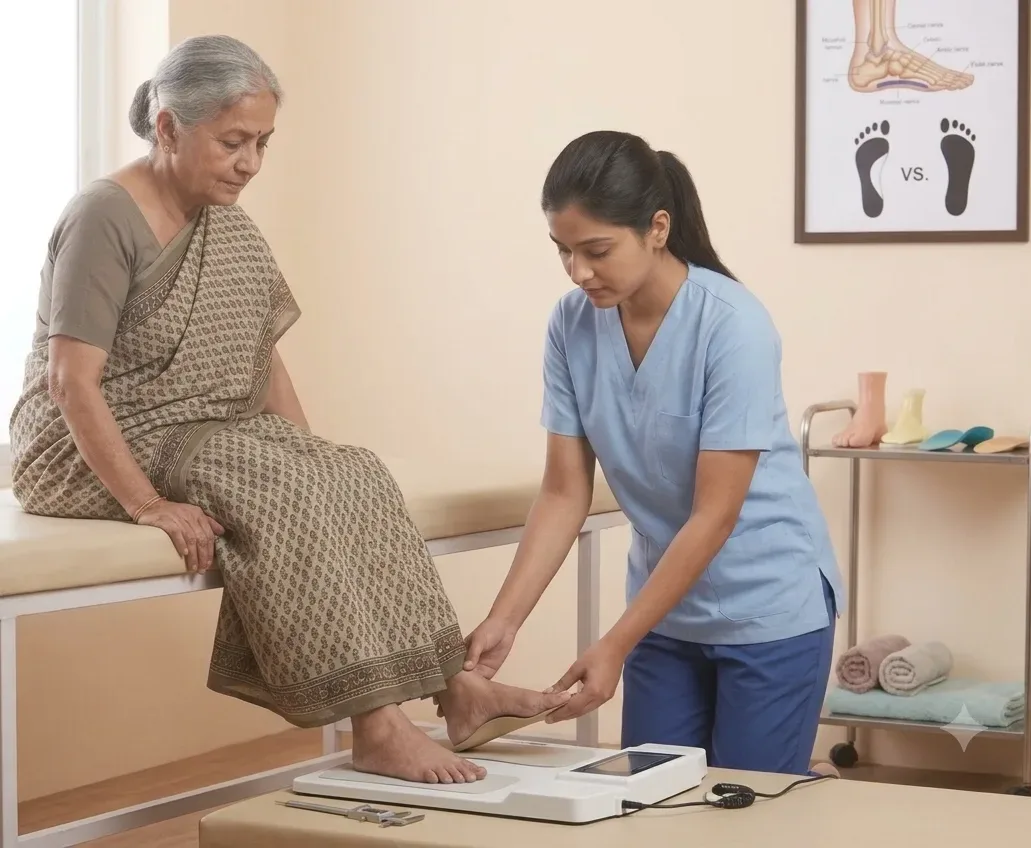
Not every sore foot needs custom orthotics. A physiotherapist checks your feet, gait and footwear first and tells you honestly whether orthotics, a simpler option or exercise alone is the better choice.
Custom orthotics, also called custom foot orthoses, are insoles designed for your feet based on an assessment of your foot shape, movement and symptoms, to support the foot and change how load passes through it when you stand, walk or run.
Unlike a general cushioned insole, they are prescribed for a specific purpose, such as supporting a flat arch, easing pressure under the heel or sharing load across the forefoot.
Orthotics are usually one part of a plan that also includes foot and calf exercises, footwear advice, activity changes and follow-up, so you gain comfort and also build strength.
Foot posture, gait, footwear and strength are reviewed before anything is prescribed.
A physiotherapist advises on the right type of support and how to use it.
Support and cushioning are matched to your feet, shoes and activities.
Exercise builds foot and leg strength so you rely less on support over time.
Orthotics help some people more than others. An assessment decides whether they are likely to suit your problem.
Orthotics may help reduce strain on the sole of the foot and heel, usually alongside stretching and strengthening.
Flat feet only need treatment when they cause symptoms; arch support may help comfort and fatigue in those cases.
Rigid high-arched feet can overload the heel and forefoot; orthotics can spread pressure more evenly.
When foot movement appears to add load to the knee, orthotics may be tried as part of a wider plan.
Runners and active people with lower-leg overuse pain may be assessed for foot support alongside training changes.
Pressure relief under the ball of the foot may ease discomfort, though orthotics do not reverse a bunion.
Orthotics change how forces pass through the foot and lower limb. The effect differs from person to person, and not everyone notices a change.
Your physiotherapist chooses the shape, firmness and materials based on what your assessment suggests will help your pain.
Supports the arch so weight is shared more evenly across the foot.
Moves pressure away from painful spots such as the heel or forefoot.
Adds shock absorption where the foot takes repeated impact.
Guides how much the foot rolls or flattens, which can change the load on tendons and joints.
The process starts with an assessment and a conversation about your pain, activities and footwear, not with a product.
Orthotics are fitted only if they are likely to help, and you receive clear advice on how to break them in gradually.
Foot posture, joint movement, gait, strength and footwear are examined.
The type of orthotic is matched to your findings, activities and shoes.
Fit is checked in your footwear, and you build up wearing time gradually.
Strengthening and stretching are added, and the orthotics are reviewed and adjusted.
Results vary from person to person. Orthotics tend to help most when they are matched to the problem and combined with exercise and suitable footwear.
Insoles can ease symptoms, but they do not make the foot muscles stronger. Footwear, calf and foot strength, and how much you walk or run all affect the result.
That is why your plan pairs orthotics with exercise and advice, and may reduce your reliance on them as you recover.
Custom orthotics may be worth considering when foot or lower-limb symptoms persist and simpler measures have not been enough.
See a doctor or foot specialist before using orthotics if you have diabetes with numb feet or poor circulation, open sores or ulcers, signs of infection, a sudden hot, red or swollen foot, severe deformity, or a painful foot after an injury. Children with painful flat feet should be assessed first.
Mild awkwardness is normal while you break orthotics in. Stop wearing them and get in touch if you develop blisters, new or worsening pain, numbness or skin changes.
A comprehensive plan combines different approaches according to your findings and goals.
Exercises for the foot, calf and hip muscles that support the arch and control movement.
Calf and plantar fascia mobility work, with hands-on techniques where suitable.
Guidance on shoes that suit your feet, work and activities, so orthotics fit properly.
A simple routine and self-care guidance to maintain progress between visits.
Calm n Cure Physiotherapy Center focuses on understanding why your feet hurt before prescribing any support, and is honest about when orthotics help and when they do not.
Book a physiotherapy assessment in Gurgaon. Our team can review your feet and gait and explain whether custom orthotics are suitable and what a realistic plan could look like.
Book an AssessmentCommon questions about orthotics, fitting, results and when to seek medical advice.
Share your basic details and concern. The Calm n Cure clinic team can discuss your symptoms, assessment requirements and the next appropriate step.
Medical note: Custom orthotics are one component of physiotherapy and are not suitable for every person or condition. They do not replace medical diagnosis or treatment, and people with diabetes, poor circulation or foot ulcers should seek medical advice first. Orthotics should be recommended and fitted by a suitably trained and qualified practitioner after an appropriate assessment. Individual treatment plans and outcomes vary.