Post Fracture Rehabilitation Services in Gurgaon
Recover movement, strength and confidence after a fracture with personalized rehabilitation and physiotherapy care at Calm n Cure Physiotherapy Center in Gurgaon.
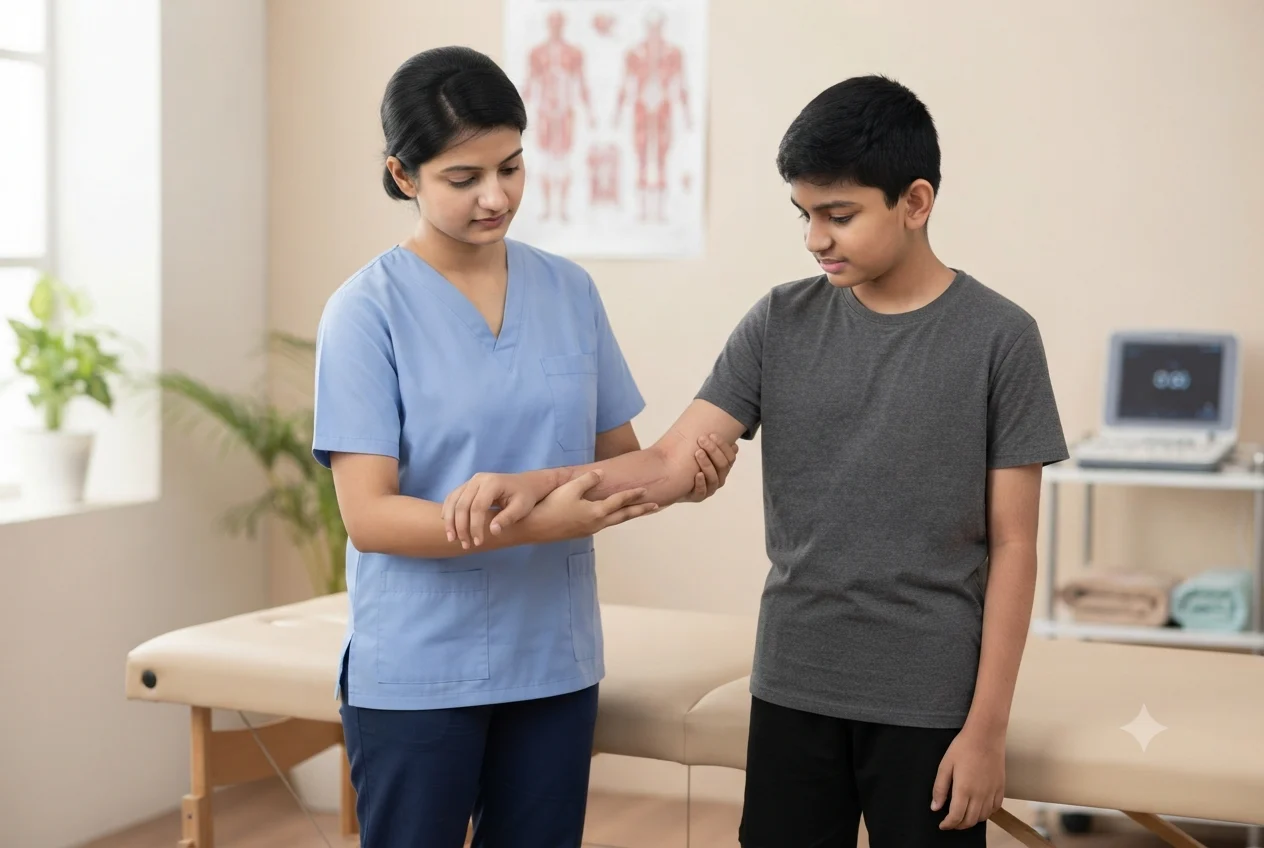
Rehabilitation After Fracture
Fracture healing is only one part of recovery. Physiotherapy can help restore movement, strength, flexibility and functional abilities after the affected area has been medically cleared for rehabilitation.
What Is Post Fracture Rehabilitation?
Post fracture rehabilitation is a structured physiotherapy approach designed to support recovery after a fracture and its medical treatment.
After a fracture, reduced activity, immobilization, casting or surgical treatment may affect joint mobility, muscle strength, flexibility, balance and everyday movement. A suitable rehabilitation program can gradually address these limitations once rehabilitation is considered appropriate by the treating medical team.
At Calm n Cure Physiotherapy Center, rehabilitation is planned around the individual's condition, affected body part, functional needs and stage of recovery.
Mobility
Work toward improved movement and joint mobility.
Strength
Gradually rebuild strength in affected areas.
Function
Improve movement needed for daily activities.
Confidence
Support safer and more confident movement.
Common Challenges After a Fracture
Recovery can vary depending on the fracture, treatment, body part involved and individual healing process. Rehabilitation may address several common movement and functional challenges.
Reduced Joint Mobility
Immobilization and reduced movement may contribute to stiffness around the affected joint.
Muscle Weakness
Reduced activity after a fracture can affect muscle strength and endurance.
Walking Difficulties
Lower-limb fractures may temporarily affect walking patterns, balance and confidence.
Movement Restrictions
Arm, wrist or shoulder fractures can affect reaching, gripping and other everyday movements.
Balance Problems
Changes in strength, mobility or weight-bearing can influence balance and movement confidence.
Daily Activity Limitations
Rehabilitation can focus on gradually returning to appropriate everyday activities.
How Post Fracture Rehabilitation Works
Rehabilitation progresses according to the individual's condition, functional goals and stage of recovery.
Assessment
The physiotherapist reviews movement, strength, mobility and functional limitations relevant to the recovery stage.
Individual Plan
A rehabilitation plan is selected according to the affected area, current abilities and functional requirements.
Guided Exercise
Appropriate exercises may be introduced progressively to work on mobility, strength, balance and movement.
Functional Recovery
Therapy can progress toward practical movements and activities that are relevant to daily life.
Potential Benefits of Post Fracture Rehabilitation
A structured rehabilitation program can help address movement and functional limitations that may remain after fracture treatment.
- Improve joint mobility and flexibility
- Gradually rebuild muscle strength
- Improve balance and coordination
- Support walking and movement retraining
- Improve confidence with appropriate daily activities
- Develop a suitable home exercise routine
Recovery Takes Time
Recovery following a fracture can vary significantly between individuals. The type and location of fracture, treatment received, healing progress and overall functional condition can all influence rehabilitation.
Exercises should be progressed appropriately rather than forcing painful or restricted movements.
Who May Be Considered for Post Fracture Rehabilitation?
Physiotherapy may be considered for people who have completed or progressed through the medically appropriate stage of fracture treatment and continue to experience movement or functional limitations.
- People experiencing stiffness after immobilization
- People with reduced strength following a period of inactivity
- People working to restore normal movement patterns
- People needing support with balance or walking
- People returning gradually to appropriate daily activities
Safety First
Rehabilitation should be started and progressed according to the fracture's healing status and the treating medical team's guidance.
If there is significant swelling, increasing pain, wound concerns, new loss of movement or another unexpected change, medical assessment may be required before continuing exercise.
Post Fracture Rehabilitation at Calm n Cure
Rehabilitation can combine different physiotherapy approaches depending on the individual's recovery requirements.
Therapeutic Exercise
Appropriate exercises may be used to gradually address strength, mobility and functional limitations.
Mobility Training
Guided mobility work can help address stiffness and movement restrictions when clinically appropriate.
Gait & Movement Training
Lower-limb rehabilitation may include progressive walking and movement training where appropriate.
Home Exercise Plan
Suitable home exercises can support continuity between physiotherapy sessions.
Personalized Post Fracture Rehabilitation in Gurgaon
At Calm n Cure Physiotherapy Center, rehabilitation focuses on the individual's current abilities and functional goals rather than following the same exercise plan for everyone.
- Individual assessment and rehabilitation planning
- Progressive exercise based on recovery stage
- Focus on mobility, strength and functional movement
- Guidance for suitable home exercises
- Rehabilitation goals based on everyday needs
Ready to Start Your Recovery?
Discuss your post-fracture rehabilitation needs with our physiotherapy team.
Request an AppointmentPost Fracture Rehabilitation FAQs
Find answers to common questions about physiotherapy and rehabilitation after a fracture.
Medical Note
Post fracture rehabilitation should be planned according to the fracture type, healing status, treatment received and medical advice. Physiotherapy does not replace fracture diagnosis, orthopedic care, imaging or other medical treatment. If you experience severe or worsening pain, significant swelling, fever, wound problems, new numbness or another concerning symptom, seek appropriate medical evaluation.