Osteoarthritis (OA) is one of the most common joint conditions affecting adults, particularly as people grow older. It commonly affects the knees, hips, hands and spine and can gradually make everyday activities such as walking, climbing stairs, standing up from a chair or even gripping objects uncomfortable.
Osteoarthritis is often described as a “wear and tear” condition, but it is more complex than simple cartilage damage. It affects the entire joint and may involve changes to the cartilage, underlying bone, joint lining and surrounding tissues. Pain, stiffness, swelling and reduced mobility can develop over time and may interfere with work, exercise, sleep and everyday independence.
The good news is that osteoarthritis does not necessarily mean that a person has to stop being active. With appropriate medical guidance, physiotherapy, regular physical activity, weight management when appropriate and lifestyle modifications, many people can manage their symptoms and maintain better joint function. The World Health Organization (WHO) identifies exercise, maintaining a healthy weight and rehabilitation as important components of osteoarthritis management.
What Is Osteoarthritis?
Osteoarthritis is a chronic joint condition in which the tissues within and around a joint undergo structural changes over time. It most commonly affects weight-bearing joints such as the knees and hips, although the hands and spine can also be affected.
Healthy cartilage provides a smooth surface that allows bones to move against one another with minimal friction. With osteoarthritis, the joint gradually undergoes changes that can affect this smooth movement. The surrounding muscles and tissues may also become weaker or less flexible, contributing to pain and difficulty with movement.
Osteoarthritis is not simply an unavoidable part of ageing. Although age is an important risk factor, younger adults can also develop OA, particularly following previous joint injuries, repeated joint stress or certain underlying conditions.
Which Joints Are Commonly Affected by Osteoarthritis?
Osteoarthritis can affect different joints, but some areas are more commonly involved:
Knee Osteoarthritis
Knee osteoarthritis is particularly common and may cause pain while walking, climbing stairs, squatting or getting up from a chair. Some people may also experience stiffness after sitting for a long time.
Hip Osteoarthritis
Hip OA can cause pain around the hip, groin, thigh or buttock. Activities such as walking, bending or putting on shoes may gradually become more difficult.
Hand Osteoarthritis
Osteoarthritis in the hands may cause pain, stiffness, swelling and difficulty performing tasks that require gripping or fine movements.
Spinal Osteoarthritis
Degenerative changes in the spine may contribute to stiffness and back or neck discomfort. Symptoms vary depending on the structures involved.
Common Symptoms of Osteoarthritis
Osteoarthritis symptoms can develop gradually and may vary from person to person. Common symptoms include:
- Joint pain, particularly during or after activity
- Stiffness after waking up or after prolonged inactivity
- Swelling around the affected joint
- Reduced range of motion
- Difficulty walking or climbing stairs
- Pain while standing up or sitting down
- Joint tenderness
- A grinding, clicking or cracking sensation during movement
- Weakness of muscles surrounding the affected joint
- Difficulty performing everyday activities
Knee osteoarthritis, for example, may make routine activities such as walking, using stairs or getting up from a chair increasingly challenging. Persistent symptoms should be evaluated by an appropriate healthcare professional rather than being automatically attributed to ageing.
What Causes Osteoarthritis?
There is usually no single cause of osteoarthritis. Several factors can contribute to the development and progression of the condition.
Age
The likelihood of developing osteoarthritis increases with age because joints undergo structural changes over time. However, ageing alone does not mean that osteoarthritis is inevitable.
Previous Joint Injury
A previous fracture, ligament injury, cartilage injury or other trauma can increase the risk of developing osteoarthritis in the affected joint later in life.
Repetitive Joint Stress
Repeated movements or excessive loading associated with certain occupations, sports or activities may place additional stress on joints.
Excess Body Weight
Higher body weight can increase mechanical loading on weight-bearing joints such as the knees and hips. Metabolic factors associated with obesity may also contribute to osteoarthritis risk.
Muscle Weakness
Weak muscles may provide less support and control around a joint. Reduced physical activity can further contribute to loss of strength and mobility.
Genetics and Other Factors
Genetic factors, previous joint diseases and certain metabolic conditions can also influence a person’s risk of developing osteoarthritis.
How Is Osteoarthritis Diagnosed?
At our Osteoarthritis Services in Gurgaon, the healthcare professional generally considers a person’s symptoms, medical history and physical examination when assessing osteoarthritis. The examination may include checking:
- Joint movement
- Muscle strength
- Pain patterns
- Joint stability
- Walking pattern
- Functional limitations
- Swelling or tenderness
Imaging such as X-rays may sometimes be used when clinically appropriate, particularly when the diagnosis is uncertain or other conditions need to be considered.
It is important to remember that the severity of changes seen on an X-ray does not always perfectly correspond to the amount of pain a person experiences. Treatment should therefore consider the individual’s symptoms, physical function and daily goals.
Role of Physiotherapy in Osteoarthritis Management
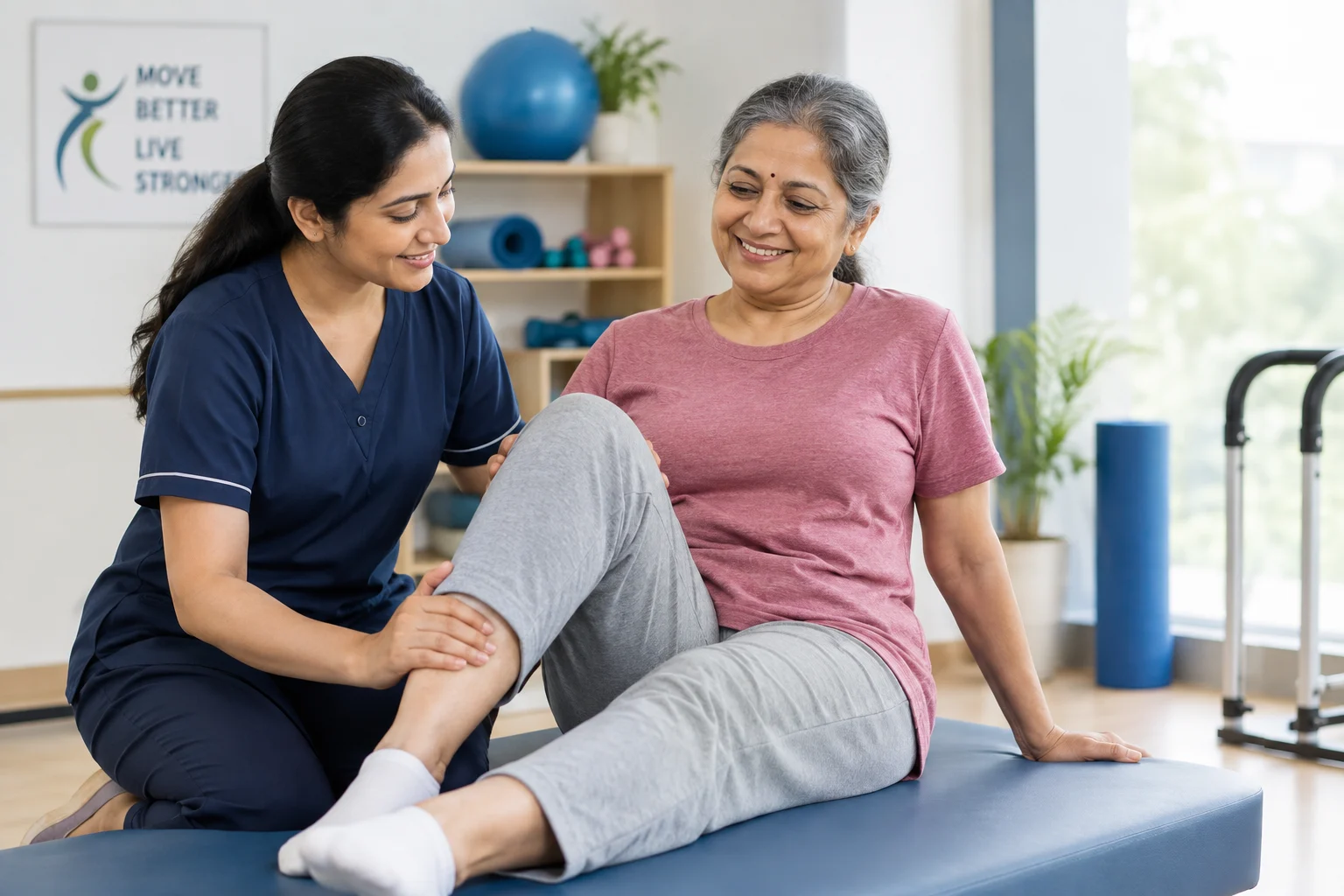
Physiotherapy is an important part of conservative osteoarthritis management. Rather than focusing only on temporary pain relief, physiotherapy aims to improve strength, mobility, physical function and confidence in movement.
An expert physiotherapist can assess the affected joint, identify contributing physical limitations and develop a progressive exercise and rehabilitation programme based on the individual’s condition and goals.
The reference article similarly highlights personalised exercise, strengthening, stretching, manual therapy and other physiotherapy approaches as useful components of arthritis management.
1. Strengthening Exercises
Strengthening the muscles surrounding an affected joint can improve support and functional capacity.
For knee osteoarthritis, for example, strengthening exercises may target the quadriceps, hamstrings, gluteal muscles and other muscles involved in lower-limb control.
A physiotherapist can determine the appropriate exercises, resistance and progression according to the individual’s symptoms and physical capacity.
2. Flexibility and Range-of-Motion Exercises
Joint stiffness can make movement increasingly difficult. Gentle mobility and flexibility exercises may help maintain or improve the available range of motion.
These exercises can be particularly useful for people who feel stiff after prolonged sitting or inactivity.
3. Aerobic Exercise
Appropriately selected aerobic activity can support overall fitness without unnecessarily stressing the joints.
Depending on the person’s condition, activities may include walking, cycling, swimming or water-based exercise. The appropriate activity and intensity should be adjusted according to symptoms and physical ability.
4. Manual Therapy
Physiotherapists may use hands-on techniques such as joint mobilisation or soft-tissue techniques as part of an overall rehabilitation programme.
Manual therapy may help improve movement and provide short-term symptom relief in some individuals. It is generally most useful when combined with an active exercise programme rather than being relied upon as the only treatment.
5. Hydrotherapy or Aquatic Exercise
Water-based exercise can be particularly useful for some people with painful weight-bearing joints. The buoyancy of water reduces the effective load placed on the joints, allowing movement and exercise to feel more comfortable.
Aquatic rehabilitation can therefore be an option for individuals who find land-based exercise difficult.
6. Heat and Cold Therapy
Heat may help some people manage stiffness and relax surrounding muscles, while cold therapy may provide temporary relief when pain or swelling is present.
A physiotherapist can advise whether these approaches are appropriate and how they should be incorporated into an individual’s rehabilitation programme.
7. TENS and Other Modalities
Certain physiotherapy clinics may use modalities such as TENS as an adjunct to an exercise-based programme. TENS uses mild electrical stimulation and may provide temporary pain relief for some individuals.
These modalities should complement—not replace—active rehabilitation, strengthening and lifestyle management.
Benefits of Physiotherapy for Osteoarthritis
A structured physiotherapy programme may help people with osteoarthritis in several ways:
- Reduce joint pain
- Improve joint mobility
- Increase muscle strength
- Improve balance and coordination
- Improve walking and functional movement
- Make everyday activities easier
- Increase confidence with physical activity
- Reduce the impact of stiffness
- Support a gradual return to appropriate exercise
- Help maintain independence
WHO’s osteoarthritis guidance emphasises exercise and rehabilitation as important parts of management, with rehabilitation tailored to an individual’s needs and preferences.
Importance of Exercise in Osteoarthritis
One of the most common concerns among people with osteoarthritis is whether exercise will make their joints worse. In reality, avoiding movement altogether can contribute to muscle weakness, reduced fitness and greater difficulty performing everyday activities.
The goal is not to exercise through severe pain. Instead, exercise should be appropriately selected, gradually progressed and adapted to the person’s symptoms.
A physiotherapist can help establish the right balance between activity and recovery. A programme may include strengthening, mobility, balance and cardiovascular exercises depending on the individual’s needs.
Regular physical activity can also support healthy body weight, which is particularly important for people with osteoarthritis affecting weight-bearing joints.
Weight Management and Osteoarthritis
Maintaining a healthy weight can be an important part of osteoarthritis management, especially for knee and hip OA.
Excess body weight increases the mechanical load placed on weight-bearing joints. Weight management can therefore help reduce joint stress while also supporting overall health and physical activity.
For individuals who are overweight, even gradual lifestyle changes can be valuable. Exercise should be combined with appropriate nutrition and professional guidance where necessary.
Can Physiotherapy Cure Osteoarthritis?
Physiotherapy does not reverse osteoarthritis or restore a damaged joint to its original condition. Instead, its role is to help manage symptoms, maintain physical function and improve quality of life.
The objective is to help a person move better, become stronger and remain as active and independent as possible.
In more advanced cases, other medical treatments may be considered. For people with severe joint damage and significant functional limitations, joint replacement surgery may eventually be recommended by an orthopaedic specialist.
Lifestyle Tips for Managing Osteoarthritis
Along with professional treatment, several everyday habits can support joint health:
- Stay physically active within your abilities.
- Follow your prescribed home exercise programme consistently.
- Avoid prolonged periods of complete inactivity.
- Maintain a healthy body weight.
- Use appropriate footwear, particularly when walking or exercising.
- Avoid suddenly increasing exercise intensity or duration.
- Take adequate recovery periods when symptoms flare.
- Learn safe movement techniques for daily activities.
- Consult a physiotherapist before starting a new exercise programme if you have significant joint pain.
- Follow medical advice when pain is persistent, severe or progressively worsening.
When Should You See a Physiotherapist?
Consider consulting a physiotherapist at our Physiotherapy Clinic in Gurgaon if joint pain or stiffness is affecting your ability to walk, exercise, work or perform daily activities.
Professional assessment is particularly useful when symptoms persist, movement is becoming increasingly restricted or you are avoiding activities because of fear of pain.
Early rehabilitation can help establish appropriate exercise habits and maintain physical function. However, severe or unexplained symptoms should be medically evaluated to rule out other joint conditions.
Conclusion
Osteoarthritis is a long-term joint condition, but a diagnosis does not mean that an active lifestyle is no longer possible. With appropriate management, many people can reduce the impact of symptoms and continue participating in meaningful daily activities.
Physiotherapy plays an important role in osteoarthritis management by addressing muscle weakness, stiffness, reduced mobility, balance problems and functional limitations. A personalised programme combining strengthening, mobility exercises, aerobic activity and appropriate rehabilitation techniques can help improve movement and quality of life.
The key is consistency. Osteoarthritis management is generally not about finding one quick solution; it is about developing sustainable habits that keep the body moving and the affected joints functioning as well as possible.
If joint pain or stiffness is affecting your everyday life, consult a qualified healthcare professional or physiotherapist for an individual assessment and treatment plan.
Frequently Asked Questions About Osteoarthritis
1. What is osteoarthritis and how does it affect the joints?
Osteoarthritis is a chronic joint condition involving changes to the cartilage and other structures within and around a joint. It commonly affects the knees, hips, hands and spine and may cause pain, stiffness, swelling and reduced movement.
2. Can physiotherapy help with osteoarthritis pain?
Yes. Physiotherapy can help manage osteoarthritis symptoms through personalised strengthening, mobility, flexibility and functional exercises. Depending on the individual’s condition, manual therapy and other supportive techniques may also be incorporated into treatment.
3. Is exercise safe for people with osteoarthritis?
Appropriately selected exercise is generally an important part of osteoarthritis management. However, exercises should be matched to the person’s symptoms, joint condition, strength and functional ability. A physiotherapist can design a safe and progressive exercise programme.
4. Can osteoarthritis be completely cured?
There is currently no physiotherapy treatment that completely reverses osteoarthritis. However, symptoms and physical limitations can often be managed through exercise, rehabilitation, healthy weight management, lifestyle changes and appropriate medical care.
5. When should I see a physiotherapist for osteoarthritis?
You should consider seeing a physiotherapist if joint pain, stiffness or weakness is affecting walking, exercise, stairs, work or other daily activities. A physiotherapist can assess your movement and develop an individualised rehabilitation programme to help improve strength, mobility and function.